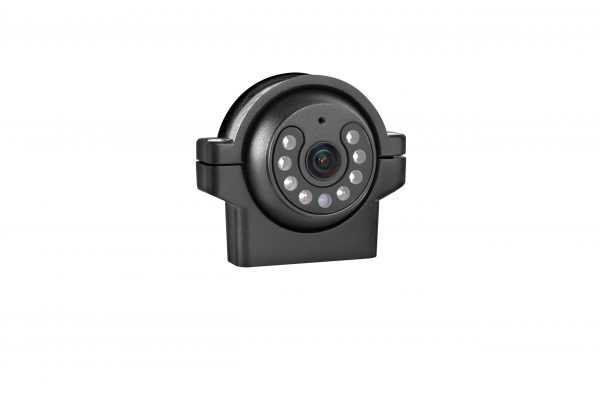
HD Wireless Monitor: The Ideal 10-Inch Display Solution for Vehicle Safety and Monitoring
Introduction
As wireless monitoring technology continues to advance, businesses and vehicle operators are increasingly looking for reliable and high-performance display systems. A HD wireless monitor is an essential component in modern vehicle surveillance, providing clear real-time video transmission without the limitations of wired connections.
Whether used in trucks, buses, RVs, construction machinery, agricultural equipment, or commercial fleets, a 10-inch HD wireless monitor delivers excellent image quality, enhanced safety, and convenient installation. In this article, we explore the features, benefits, and applications of a 10-inch HD wireless monitor and explain why it has become a preferred choice for professional monitoring systems.
What Is a HD Wireless Monitor?
A HD wireless monitor is a display device designed to receive high-definition video signals transmitted wirelessly from cameras installed on vehicles or equipment. Unlike traditional wired systems, wireless monitors eliminate the need for long cable runs, making installation faster and more cost-effective.
The 10-inch HD wireless monitor provides a larger viewing area, allowing drivers and operators to monitor multiple camera feeds simultaneously while maintaining excellent image clarity.
Key Features Include:
- High-definition video display
- Wireless signal reception
- Real-time video transmission
- Multi-channel camera support
- Split-screen viewing options
- Durable design for vehicle environments
- Easy installation and maintenance
Advantages of a 10-Inch HD Wireless Monitor
1. Superior Image Quality
One of the most important benefits of a HD wireless monitor is its ability to display crystal-clear video. High-definition resolution helps users identify obstacles, pedestrians, vehicles, and equipment with greater accuracy.
The 10-inch screen size offers:
- Sharper images
- Better detail recognition
- Improved night visibility
- Enhanced monitoring performance
This increased visibility contributes directly to safer vehicle operation.
2. Wireless Installation Convenience
Traditional camera systems often require extensive wiring throughout the vehicle. Wireless technology significantly reduces installation complexity.
Benefits include:
- Faster installation
- Reduced labor costs
- Cleaner vehicle appearance
- Fewer cable-related failures
- Easier system upgrades
For fleet operators managing multiple vehicles, wireless systems can save considerable time and maintenance expenses.
3. Large 10-Inch Display for Better Monitoring
Compared with smaller screens, a 10-inch monitor provides a wider viewing area and improved visibility.
Advantages include:
- Easier observation of camera feeds
- Reduced driver eye strain
- Better split-screen performance
- Enhanced situational awareness
This is especially useful for large vehicles such as buses, trailers, trucks, and construction equipment.
4. Real-Time Video Transmission
Modern HD wireless monitors utilize advanced wireless transmission technology to provide low-latency video communication.
Operators can receive:
- Instant rear-view images
- Side-view camera feeds
- Blind-spot monitoring
- Cargo area surveillance
Real-time monitoring helps drivers make safer decisions during reversing, parking, lane changes, and maneuvering in tight spaces.
Applications of HD Wireless Monitors
Commercial Trucks
Commercial trucking companies use HD wireless monitors to improve road safety and reduce accidents.
Common uses include:
- Rear-view monitoring
- Trailer observation
- Blind-spot detection
- Cargo security monitoring
The larger 10-inch display allows drivers to view critical information without distraction.
Public Transportation
Buses and passenger transport vehicles benefit greatly from wireless monitoring systems.
Applications include:
- Passenger safety monitoring
- Door area observation
- Rear traffic visibility
- Interior surveillance
Wireless systems simplify installation while providing reliable video coverage.
Recreational Vehicles (RVs)
RV owners often install HD wireless monitors to improve visibility while traveling or parking.
Benefits include:
- Easier backing and parking
- Towing assistance
- Enhanced campsite maneuvering
- Increased driving confidence
The wireless design is particularly useful for long RV configurations where cable routing can be difficult.
Construction Equipment
Heavy machinery operates in environments where visibility is often restricted.
HD wireless monitors help operators monitor:
- Surrounding workers
- Equipment attachments
- Blind spots
- Worksite obstacles
This improves both operational efficiency and workplace safety.
Agricultural Machinery
Farm equipment frequently covers large working areas where visibility is limited.
Wireless monitoring solutions assist with:
- Harvesting operations
- Equipment alignment
- Trailer monitoring
- Field navigation
The rugged design of a 10-inch HD wireless monitor makes it suitable for harsh agricultural environments.
Important Features to Consider
High-Brightness Display
Outdoor environments often expose monitors to direct sunlight.
A high-brightness screen provides:
- Better daytime visibility
- Reduced glare
- Improved image readability
Multiple Camera Support
Many monitoring systems require more than one camera.
Look for monitors that support:
- 2-channel input
- 4-channel input
- Quad-view display
- Automatic camera switching
This flexibility improves overall vehicle monitoring capabilities.
Stable Wireless Signal
Reliable wireless transmission is essential for professional applications.
Advanced systems offer:
- Long transmission distance
- Anti-interference technology
- Stable image quality
- Continuous video reception
These features ensure dependable performance even in challenging environments.
Durable Vehicle-Grade Construction
Vehicle monitoring equipment must withstand vibration, temperature changes, and daily use.
A quality HD wireless monitor should provide:
- Shock resistance
- Wide operating temperature range
- Long service life
- Reliable performance in demanding conditions
Why Businesses Choose 10-Inch HD Wireless Monitors
Fleet managers and vehicle manufacturers increasingly choose 10-inch HD wireless monitors because they provide an ideal balance between screen size, visibility, and functionality.
Key reasons include:
- Improved driver safety
- Enhanced operational efficiency
- Easier installation
- Reduced maintenance costs
- Better monitoring coverage
- High-definition video quality
As vehicle safety standards continue to evolve, wireless monitoring technology has become an important investment for commercial transportation and industrial applications.
Future Trends in Wireless Monitoring Technology
The future of HD wireless monitors is focused on smarter and more connected systems.
Emerging developments include:
- AI-assisted object detection
- Digital wireless transmission
- Cloud-based monitoring
- Enhanced night vision integration
- Higher-resolution displays
- Advanced fleet management connectivity
These innovations will further improve vehicle safety and operational efficiency across various industries.
Conclusion
A 10-inch HD wireless monitor is a powerful solution for modern vehicle surveillance and safety applications. Its large display, high-definition image quality, wireless convenience, and versatile functionality make it an excellent choice for trucks, buses, RVs, construction equipment, and agricultural machinery.
By investing in a reliable HD wireless monitor, businesses and vehicle operators can achieve better visibility, safer operation, and improved overall efficiency while reducing installation complexity and maintenance requirements.
HD Wireless Monitor
A HD wireless monitor offers high-definition video display, stable wireless transmission, and real-time monitoring for various vehicle applications. The 10-inch HD wireless monitor is particularly suitable for commercial fleets, buses, trucks, RVs, and heavy equipment, delivering clear images, improved safety, and convenient installation. Choosing a professional HD wireless monitor ensures reliable performance and enhanced monitoring effectiveness in demanding environments.